What Shoes Should You Actually Wear to Your First CrossFit Class?

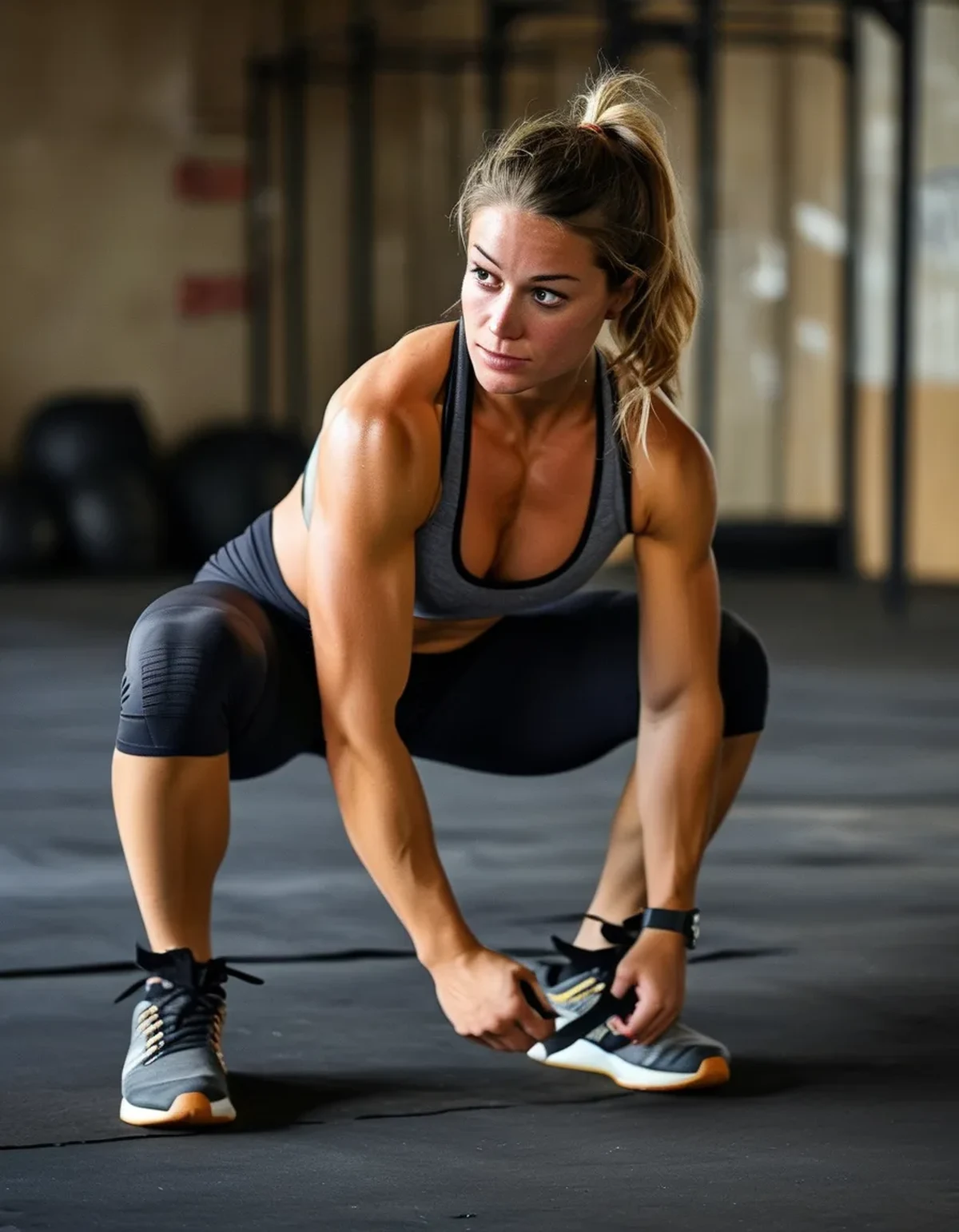
You’ve figured out the outfit, but shoes trip up more first-timers than anything else on this list — running shoes, the obvious default, are actually one of the worse choices for a typical CrossFit class.
Tip 1: Why Running Shoes Are Usually the Wrong Choice
Running shoes are built with cushioned, slightly unstable heels designed to absorb forward-motion impact — exactly the wrong quality for the lifting and stable-stance movements that make up most of a CrossFit class. That extra cushioning can actually reduce stability during squats and deadlifts, making form harder to hold, not easier.
Tip 2: What a Cross-Training Shoe Actually Does Differently
Cross-training shoes have a flatter, firmer sole that provides a stable base for lifting while still offering enough flexibility for the more dynamic movements (box jumps, running intervals) mixed into a typical class. If you’re going to buy one shoe for ongoing CrossFit attendance, this category — not a running shoe — is the better long-term investment.
Tip 3: Is It Okay to Just Wear What You Have for Your First Class?
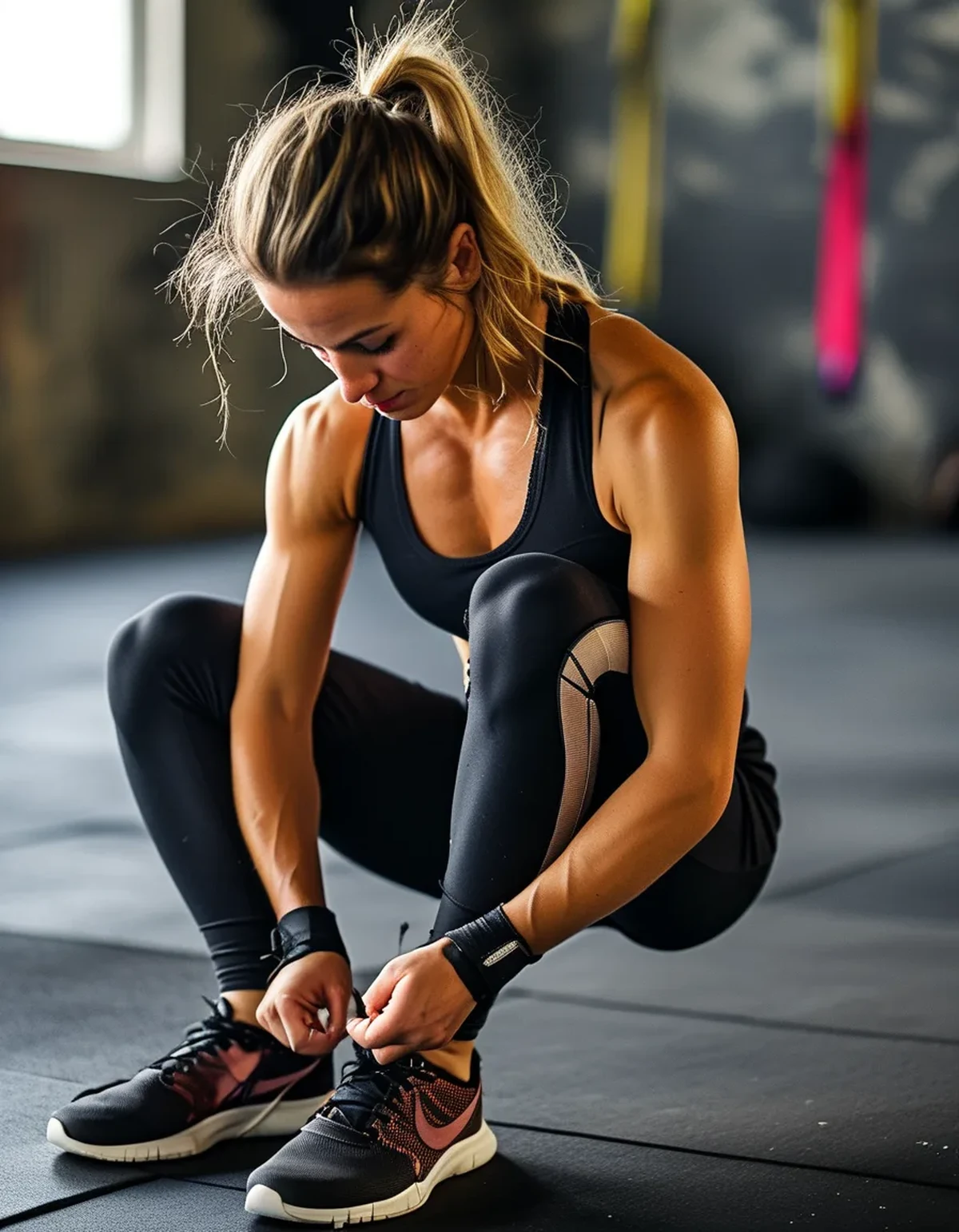
Yes, for a single trial class, don’t feel pressure to buy specialized shoes before knowing if you’ll continue. A flat, stable sneaker (not a heavily cushioned running shoe if you can avoid it) will work fine for a first visit — most gyms don’t expect or require specific footwear from newcomers.
Tip 4: What Regulars Actually Wear, and Why It Might Differ From What You’d Guess
Many regular CrossFit attendees eventually own two pairs — a dedicated cross-training or weightlifting shoe for lifting-heavy days, and a separate lightweight shoe for days with more running or jump-rope work — since no single shoe is perfectly optimized for both stable lifting and dynamic cardio movements. As a beginner, you don’t need this distinction yet; one solid cross-trainer covers a first several months just fine.

Tip 5: FAQ: CrossFit Shoe Questions, Answered
Can I lift barefoot or in socks if I don’t have the right shoes yet?
Some experienced lifters train barefoot for stability on lifting-specific days, but this isn’t recommended for a first class with mixed movements — stick to a flat, stable shoe until you know your gym’s format and your own preferences.
Do I need to spend a lot on a first pair of cross-training shoes?
No — a mid-range cross-trainer from a reputable athletic brand covers what a beginner needs; specialized, pricier options make more sense once you know you’ll be attending regularly.
Will the coach say something if I show up in running shoes?
Most coaches won’t say anything critical for a first visit, though some may gently suggest a cross-trainer for future classes if they notice you struggling with stability during lifts.
TL;DR:
- Running shoes’ cushioned, unstable heel works against stable lifting movements
- Cross-training shoes offer the flatter, firmer base CrossFit classes actually need
- A flat, stable sneaker is fine for a single trial class — no need to buy specialized shoes yet
- Regulars often end up with two shoe types eventually, but one solid cross-trainer covers a beginner
Get the shoe question right and you’ll notice a real difference in how stable your first squats and deadlifts feel.
Keep Reading
This article is for general informational and styling purposes only. Fit, sizing, and product availability may vary.