What to Wear for Your First Session in the Weights Area

Quick Answer: Weight training needs different clothing from cardio in three specific ways: you need flat, stable shoes rather than cushioned running trainers, you need enough coverage that bending and hinging is comfortable, and you need fabric that does not slide on a bench or a bar. Loose, slippery, and heavily cushioned is the wrong combination for lifting even though it is right for the treadmill.
The shoes are the single biggest change, and most people get it wrong on day one.
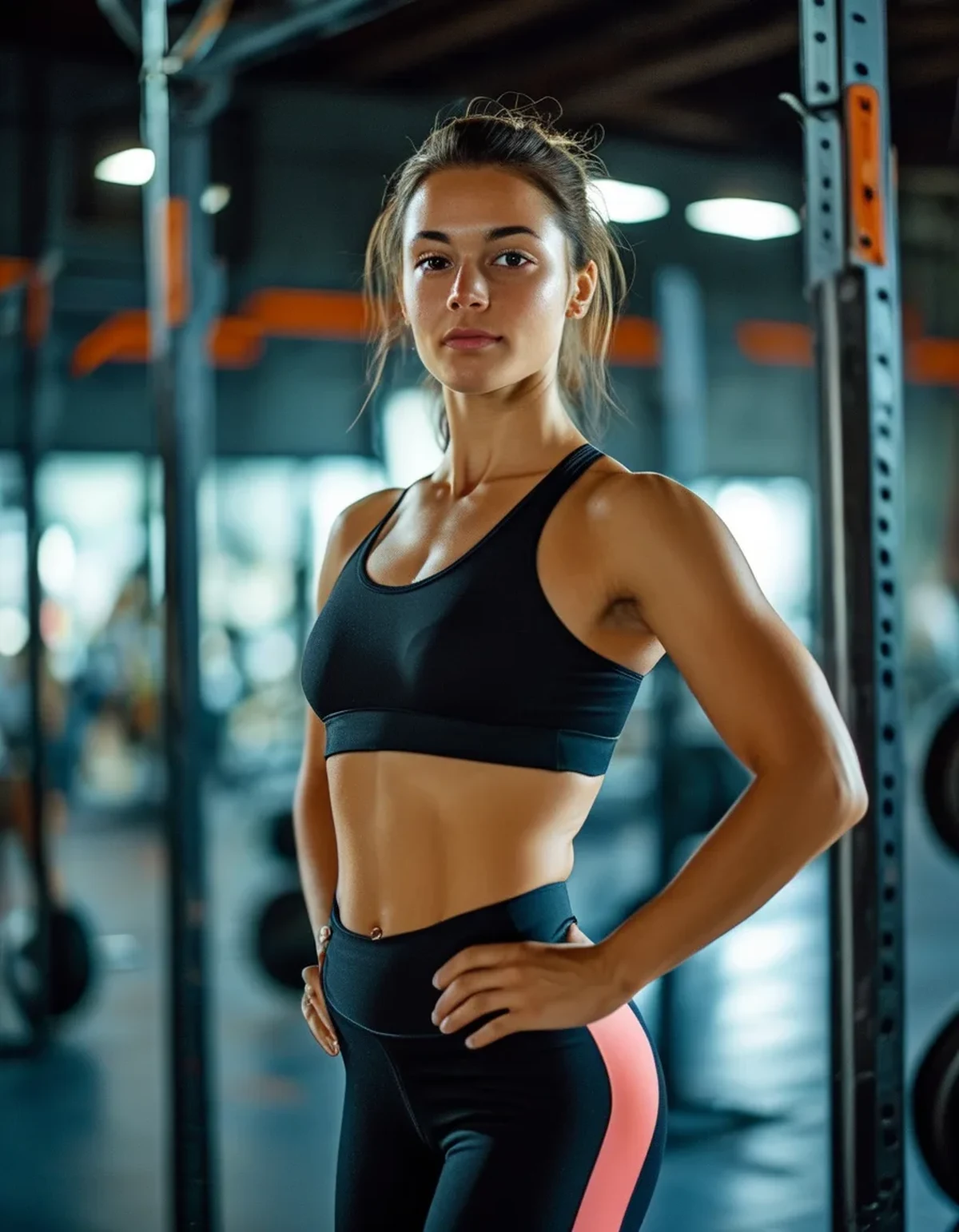
Why can I not just wear my running shoes?
Because cushioning and stability are opposites, and lifting needs the second one.
A running shoe is built to compress and rebound. The midsole is soft foam designed to absorb repeated impact - which is exactly right for running and exactly wrong for standing under load.
When you squat or deadlift in a cushioned shoe, the foam compresses unevenly under the shifting load. Your foot is effectively standing on an unstable surface, and the small corrections you make to stay balanced cost you both force output and positional consistency. On heavier lifts this becomes genuinely noticeable.
There is also an energy loss argument: force you put into compressing foam is force that did not go into the bar.
What to wear instead, in order of accessibility:
- A flat, thin-soled trainer you may already own - a canvas shoe, a skate-style shoe, or a minimal sneaker. This is a completely adequate starting point and costs nothing.
- Barefoot or in socks, where the gym permits it, for deadlifts specifically. Many do not allow it, so check.
- A dedicated lifting shoe with a raised, solid heel, if you get serious about squatting. Not a day-one purchase.
A reasonable compromise for a mixed session: wear the running shoes for the warm-up cardio, and bring a flat pair in your bag for the lifting portion. Changing shoes mid-session is normal in a weights room and nobody will look twice.
What does the clothing actually need to do?
Three jobs, and they are different from what cardio clothing does.
Allow a full hinge and a full squat. A deadlift requires bending forward with a flat back. A squat requires getting hips below knees. Both put clothing under demands that a treadmill does not. The failure points are a waistband that digs when hinged, a top that rides up at the back, and any trouser that restricts at the hip crease.
Not slide. This is the one nobody mentions. Very slippery synthetic fabric on a bench means you slide during a press. A slippery back on a squat means the bar’s contact point is less stable. Some texture or a matte finish is genuinely preferable, and it is one reason cotton-blend tops remain popular in weights rooms despite being worse at moisture management.
Let you see your position. This matters more than it sounds for a beginner. Learning to squat and hinge involves checking whether your back is flat and your knees are tracking, and a loose top makes that impossible in a mirror. A fitted top is a genuine learning aid in the first months, which is a shame because it is also the thing most beginners feel least comfortable in.
A reasonable compromise if fitted feels exposing: a fitted base layer with a loose t-shirt over it that you can lift or remove when you want to check a position. That combination solves both problems and is extremely common.
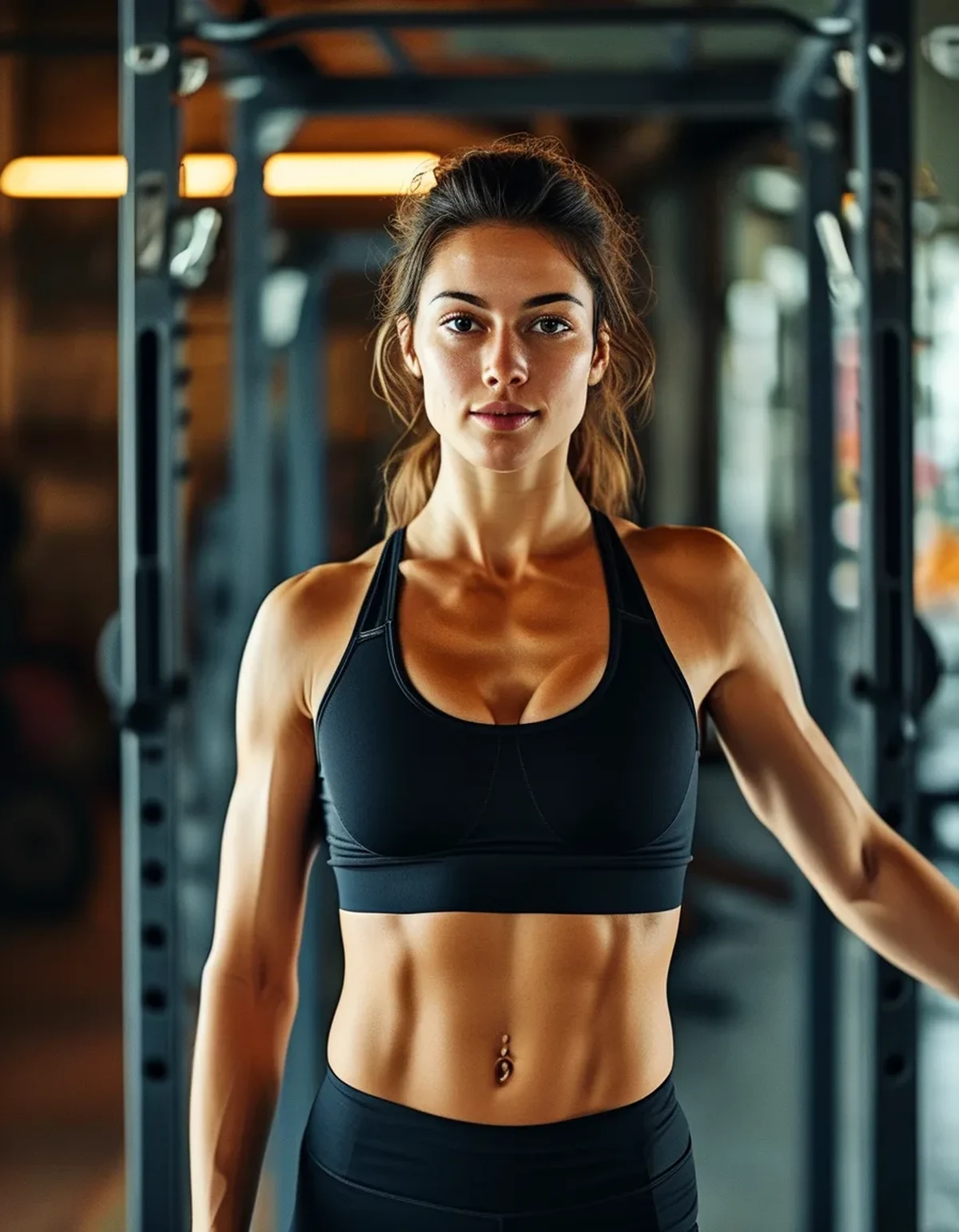
What Nobody Tells You About the Bar on Your Back
A barbell on bare skin or thin fabric is uncomfortable in a specific way that nobody warns you about, and it puts people off squatting entirely.
A loaded bar sits across the upper back on the trapezius muscles. With light weight it is fine. As the weight increases, the pressure concentrates and the knurling - the crosshatched grip texture on the bar - presses into the skin. In a thin racerback vest, this ranges from uncomfortable to genuinely painful, and it leaves marks.
This is a completely normal beginner experience and it is not a sign that you are doing it wrong. The fix is simple:
- Wear a t-shirt rather than a thin vest for any session involving back squats. A layer of ordinary cotton makes a substantial difference.
- Bar position matters more than fabric. The bar should rest on muscle, not on the bony spine of the shoulder blade. If it feels like it is on bone, it is too high on your back.
- Building the shelf takes time. The upper back muscle that holds the bar develops over months, and the discomfort reduces as it does.
- A bar pad is available in most gyms. Experienced lifters have opinions about them, largely because a pad changes the bar’s height and can shift the position slightly, but for a beginner learning the pattern it is perfectly reasonable.
The same principle applies to a front rack position for front squats, and to hip thrusts, where the bar sits across the hips and is genuinely uncomfortable without either a pad or a folded towel.
None of this appears in outfit guides, and all of it determines whether someone’s first squat session makes them want a second one.
Do I need anything beyond clothes?
Three things are genuinely worth having, and none of them are expensive.
A water bottle. Rest periods between sets are 90 seconds to 3 minutes, which is far more standing around than cardio involves. You will drink more than you expect.
A small towel. For the bench, for your hands, and because gym etiquette expects equipment to be wiped after use. Bringing your own means you are not hunting for the shared roll between sets.
Something to note down what you did. A phone app or a small notebook. This one is not about kit but it matters more than anything else on this list, because progressive overload requires knowing what you lifted last time. Beginners who track progress from week one improve substantially faster than those who do not.
Things you do not need on day one, despite what the shop suggests:
- A lifting belt. Useful at loads that are genuinely heavy relative to your capacity, which is not month one.
- Straps. Grip strength is a thing worth developing first.
- Gloves. Personal preference; they slightly reduce grip feedback, and most people who start with them stop.
- Wrist wraps. Only if you have a specific reason.
The honest kit list for a first weights session is: flat shoes, a t-shirt, comfortable full-coverage bottoms, a bottle, and a towel.
FAQ: First Weights Session Clothing Questions, Answered
Leggings or shorts for lifting?
Either, with one caveat each. Leggings need to be genuinely opaque under a deep squat - the squat test in a fitting room is the whole answer and it is worth doing. Shorts need to be long enough that you are comfortable sitting on a bench with your legs apart, which is the standard position for a lot of dumbbell work.
Do I need a special sports bra for lifting?
Lower impact than running, so support requirements are lower. What matters more is that the straps do not interfere with a bar on your back - a thick knot of straps under a barbell is a genuine discomfort. A racerback with flat straps or a simple crop style tends to work best for lifting specifically.
Will I be too cold in the weights area?
Possibly, and this catches people out. Rest periods mean you are standing still a third of the time, and you generate less overall heat than in a cardio session. A light long-sleeve layer that you can push up or remove is worth bringing, especially in an air-conditioned gym in August.
Does anyone actually notice what I am wearing?
Genuinely, no - the weights area is the least fashion-attentive part of most gyms. What people do notice, in the sense of being aware of it, is whether you are re-racking your weights. That is the etiquette that matters, and it costs nothing to get right.
TL;DR:
- Flat, thin-soled shoes beat cushioned running trainers for lifting; a canvas or skate shoe you already own is fine.
- Clothing needs to allow a full hinge and full squat, not slide on a bench, and let you see your position in the mirror.
- Wear a t-shirt rather than a thin vest for back squats - a bar’s knurling on thin fabric is genuinely painful and puts people off.
- Bring a bottle, a towel, and something to record what you lifted; skip the belt, straps, and gloves for now.
- Expect to be cooler than in a cardio session, since you stand still for a third of it.
Do the squat test on leggings in the fitting room. It is the only opacity check that means anything.
See It in Motion
Seen here: Super High Waist Embossed Yoga Leggings with Inner Pocket — shop it on bubblelime.com
Keep Reading
This article is for general informational and styling purposes only. Fit, sizing, and product availability may vary.