What to Wear to Your First Session With a Personal Trainer

Quick Answer: The difference between a PT session and a normal gym session is that someone needs to see your joints move. Fitted rather than baggy on the lower half, a top that stays put when you bend, and shoes with a flat stable sole are the three things that actually matter. Everything loose, hooded, or long enough to hide a knee makes their job harder and your session less useful.
Most first-session advice is about what to bring. The clothing question is usually answered with wear whatever is comfortable, which is not quite right.
A trainer is assessing how your knees track, whether your hips shift, where your ribs sit. Baggy clothing genuinely obstructs that, and a first session is largely assessment.
Why does a trainer need to see your movement?
Because most of what they are correcting is invisible under loose fabric.
In a typical first session, a trainer is watching for a specific set of things. Does the knee travel inward on a squat. Does one hip drop on a single-leg movement. Does the lower back arch under load. Do the shoulders shrug during a press. Every one of these is a positional cue read from the outline of your body.
A loose t-shirt hides the lower back and ribcage entirely. Baggy shorts hide knee tracking, which is arguably the single most useful thing they will look at. Long loose trousers hide ankle position, which drives a lot of squat mechanics.
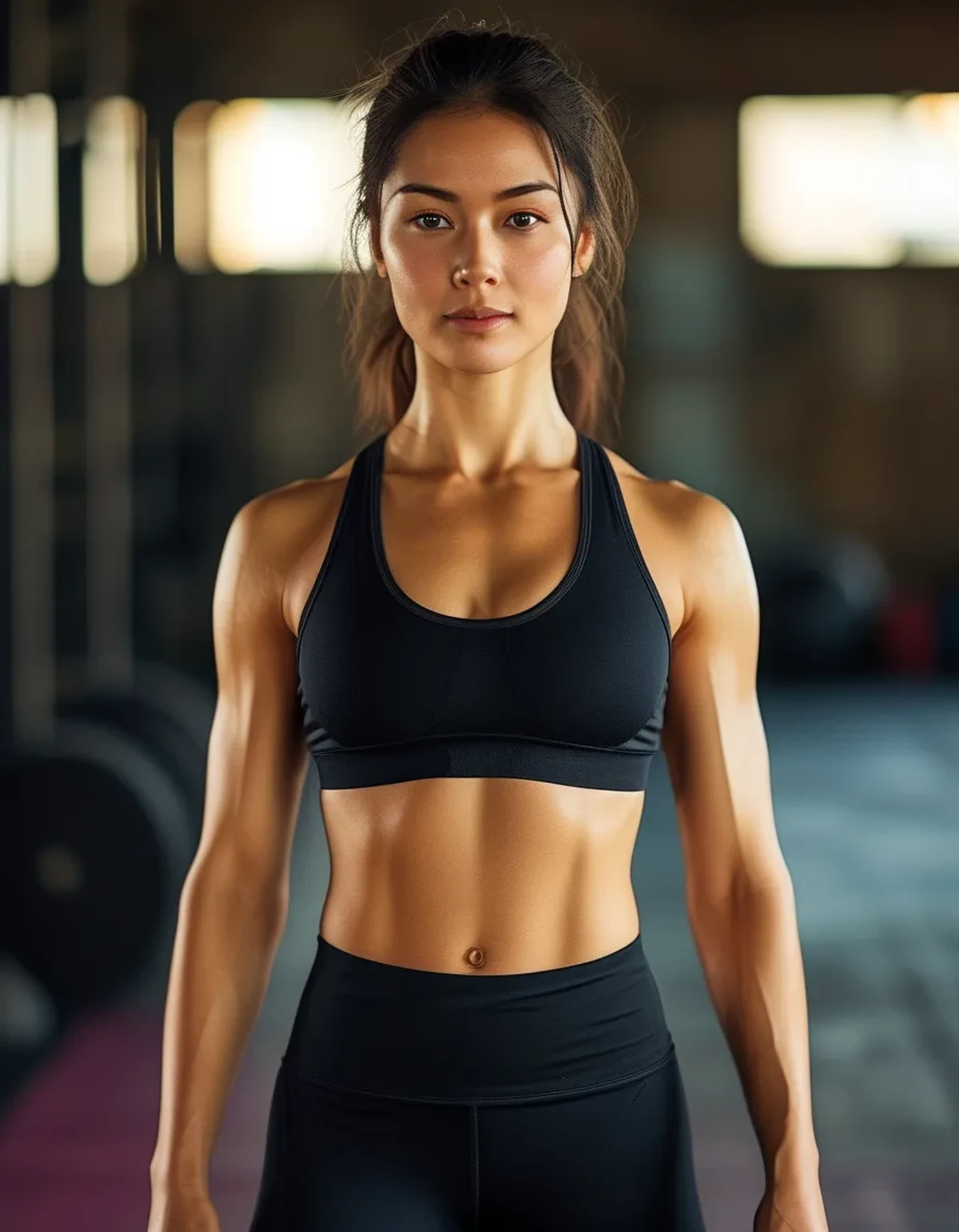
This does not mean tight. It means the outline is visible. Fitted leggings or fitted shorts, and a top that follows your torso rather than hanging away from it. Comfortable and readable, not compression gear.
The second reason is contact. Many trainers use light hands-on cueing — a hand on the shoulder blade, a touch at the hip to indicate direction. Good ones will ask first, and you can decline. Clothing that shifts a lot makes this awkward for both people, and a top that rides up during a movement is a distraction you do not need in a first session.
And the third, which nobody says out loud: you will be moving in ways you are not used to, in front of someone. Wearing something you are not thinking about is a real advantage. First-session nerves are common and clothing you have to manage adds to them.
What actually works, piece by piece
Bottoms: fitted, mid to high rise, no pockets you will notice. Leggings or fitted shorts. High rise stays put through hinging and floor work, which is most of what a first session involves. Avoid anything you have to pull up between sets — that is the thing that will occupy your attention for an hour.
Check opacity honestly before you go. Bend forward fully in front of a mirror. A first PT session involves more deep hip flexion than an ordinary gym session, and this is the wrong moment to discover a fabric is sheer under stretch.
Top: fitted enough to stay down. A top that flips over your head during a bent-over row or a floor exercise is the most common clothing failure in a first session. Fitted or semi-fitted, and ideally something you have already tested bending in. A tucked-in loose top is a workable compromise.
Layers: one, removable. Trainers work you harder than you would work yourself, and a first session often includes a conditioning finisher. Assume you will be warmer than you expect. As the weather cools, arrive in a zip layer and take it off in the first five minutes.
Bra: your most supportive, not your prettiest. You may be doing movements you have not done before, including jumping or floor transitions, and this is not the session to find out that a bra does not hold up.
Shoes: flat and stable, not cushioned runners. This is the most commonly wrong item. A thick, soft running shoe is actively unhelpful for squats, deadlifts and lunges — the compressible sole lets your foot move and makes balance harder to read. A flat trainer, a cross-trainer, or even a plain canvas shoe is better. If you only own running shoes, say so; they will work around it.
Hair: secured for lying down. A high bun is uncomfortable on a bench or the floor, which is where a fair amount of assessment happens. Low is better.

5 Mistakes People Make in a First Session Outfit
1. Wearing brand new clothes. New leggings that ride, a new bra that digs, shoes that have not been broken in — the first session is the worst time to find out. Wear the things you already know work.
2. Dressing to look experienced. Full matching kit and lifting shoes signal a level that changes how a trainer pitches the session. There is no advantage to it. Being read accurately is worth more than being read as competent.
3. Baggy shorts over leggings. Common, understandable, and it defeats the purpose — it hides exactly the knee and hip tracking the trainer is trying to see. If coverage matters to you, fitted longer shorts or full-length leggings achieve it without the visual obstruction.
4. Forgetting that you will be on the floor. Core assessment, stretching and mobility work all happen on a mat. Anything with a zip at the back, a bulky waistband seam, or a top that gapes when lying down becomes a problem. Test lying down before you go.
5. No water and no towel. Not clothing, but the two things people forget and then spend the session thinking about. Most gyms provide one and not the other; bring both.
What about the parts that are not clothing?
A few practical things that make a first session go better, since the outfit is only half of it.
Arrive fifteen minutes early. Changing, finding the studio, and filling in a health questionnaire all take longer than expected, and starting a first session flustered sets the tone.
Eat something 90 minutes to two hours before. A first session is usually assessment-heavy rather than brutally hard, but low blood sugar in an unfamiliar environment is unpleasant. Something with carbohydrate and a bit of protein.
Tell them everything relevant. Injuries, surgeries, medications that affect heart rate, things that hurt, things you are nervous about. This is the single most useful thing you can bring, and people routinely under-report because they do not want to seem difficult. A trainer who knows about your shoulder programmes around it; one who does not finds out the hard way.
Say what you actually want. Not the answer you think sounds good. If the goal is being able to carry shopping without your back hurting, say that. Vague goals produce generic sessions.
Expect to feel uncoordinated. New movements feel awkward and that is universal, not a sign of anything. Trainers see it every day and it is not what they are judging.
On timing: if you are booking a first session in the next few weeks, be aware that September is the busiest period for personal training. Book earlier in the day if you can, and expect the gym floor to be fuller than the trainer would ideally like.
FAQ: First PT Session Questions, Answered
Do I have to wear tight clothes?
No. Fitted is not the same as tight, and any trainer can work with looser clothing — it just makes assessment slower. If close-fitting clothing makes you uncomfortable, wear what you are comfortable in and say so; they will use hands-on cueing or different angles instead.
Should I mention if I do not want to be touched?
Yes, and say it at the start. A good trainer will ask permission anyway. There is nothing awkward about I would rather you cue me verbally and any trainer who makes it awkward is telling you something useful about themselves.
What if I only have running shoes?
Wear them and mention it. Trainers work around footwear constantly. If you continue, a flat shoe is a cheap and worthwhile addition — around $40 to $60 and it makes a real difference to lifting.
Will I be doing anything embarrassing?
A first session usually involves basic movement screens — squats, hinges, single-leg balance, sometimes lying assessments. Nothing designed to expose you. If something feels wrong, say so and stop; that is always allowed.
How sweaty will I get?
More than you expect. First sessions include more instruction than work, but the conditioning portion at the end is often harder than people anticipate. Bring a towel and a change of top if you have somewhere to be afterwards.
What if I hate it?
One session is a trial and trainers know that. Personality fit matters more than credentials for most people, and it is entirely normal to try two or three before settling.
TL;DR:
- A trainer needs to see your joints move — fitted lower half, top that stays put, no baggy shorts over leggings.
- Flat, stable shoes beat cushioned running shoes for anything involving squats or deadlifts.
- Nothing new: no new leggings, no new bra, no new shoes on session one.
- Test bending forward and lying down before you leave the house.
- Bring water, a towel, an honest injury history and a real goal.
The outfit that works for a first PT session is the one you stop noticing five minutes in. Everything else is just making their job easier, which makes the hour more useful to you.
See It in Motion
Seen here: High Waist Yoga Leggings with Inner Pocket — shop it on bubblelime.com
Keep Reading
This article is for general informational and styling purposes only. Fit, sizing, and product availability may vary.